
Different Kinds of Fireplace Remote Controls
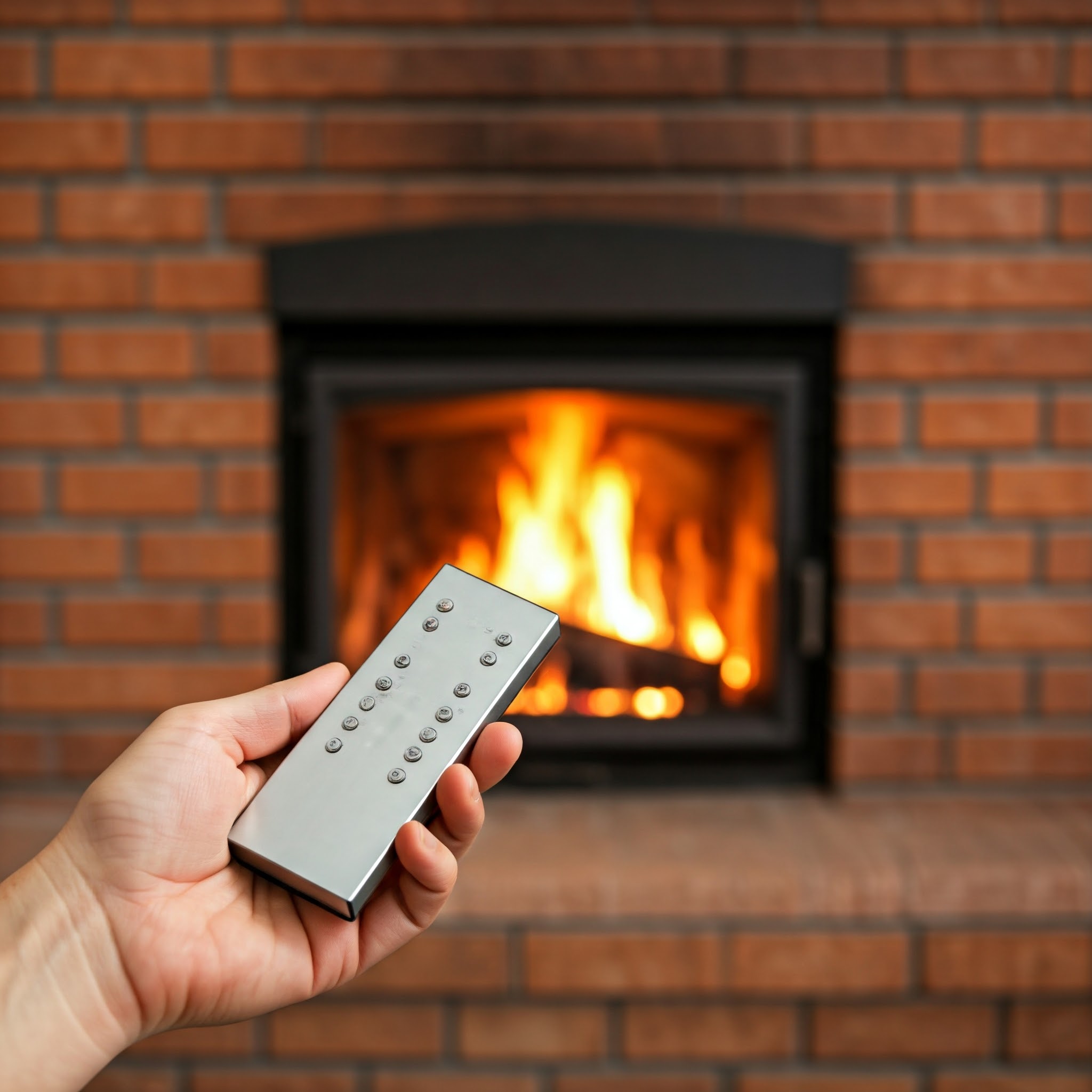
Different Kinds of Fireplace Remote Controls: Enhance Your Comfort and Convenience
A fireplace is a wonderful addition to any home, but managing it can be a hassle—especially when you have to get up to adjust the settings. Fireplace remote controls make it easy to control your fireplace from the comfort of your seat, offering enhanced convenience, safety, and efficiency. Here’s a guide to the different types of fireplace remote controls and their benefits.
1. Basic On/Off Remote Controls
The most basic type of fireplace remote control is the on/off remote. As the name suggests, this simple remote allows you to turn your fireplace on or off from a distance. It’s a great option if you want convenience without additional features. Most basic remotes are compatible with gas and electric fireplaces and are easy to install.
- Pros: Simple, easy to use, and affordable.
- Cons: Limited functionality—only controls power on/off.
2. Thermostatic Remote Controls
A step up from basic remotes, thermostatic remote controls allow you to set and maintain a desired room temperature. These remotes include a built-in temperature sensor that adjusts the flame height or gas flow based on the room temperature, ensuring consistent comfort.
- Pros: Better temperature control, consistent warmth, energy-efficient.
- Cons: Slightly higher price compared to basic remotes.
3. Multi-Function Remote Controls
Multi-function remote controls offer a range of advanced features that can control everything from flame height and temperature to fan speed and lighting. Many models also include a timer or delayed start feature, allowing you to schedule when you want your fireplace to turn on or off.
- Pros: Full control over flame settings, fan speeds, timers, and more.
- Cons: More complex, higher cost.
4. Smart Fireplace Remotes
For the tech-savvy homeowner, smart fireplace remotes provide ultimate convenience by allowing you to control your fireplace via a smartphone app or even with your voice. These remotes connect to your home Wi-Fi network and offer remote control through an app or voice assistants like Amazon Alexa or Google Assistant.
- Pros: Remote control from anywhere, voice activation, integration with smart home systems.
- Cons: Requires Wi-Fi and compatible devices, can be more expensive.
5. Wall-Mounted Remote Controls
Some fireplace systems come with wall-mounted remote controls, which are essentially wired or wireless units installed on the wall. These controls offer more consistent control than handheld remotes, and some models combine features like thermostatic controls and timers.
- Pros: Convenient, doesn’t require batteries, and often combines advanced features.
- Cons: Fixed location, not as portable as handheld remotes.
Conclusion
Choosing the right fireplace remote control depends on your preferences and the features you need. Whether you’re looking for simple on/off control, temperature regulation, or the convenience of a smart home system, there’s a remote for every need. Investing in a quality fireplace remote control can enhance your comfort, save energy, and make enjoying your fireplace easier than ever.